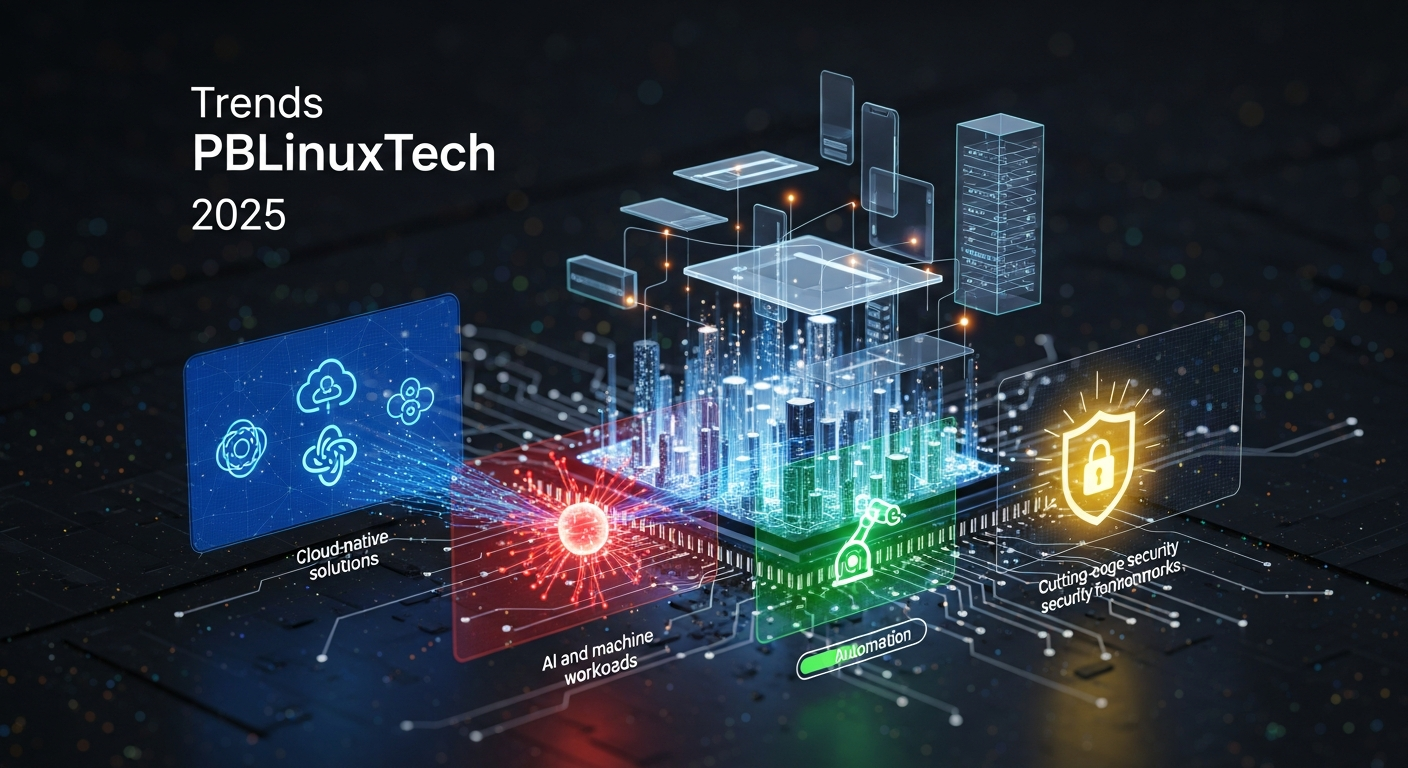
In the modern digital era, Linux has transcended its traditional role as a server operating system and emerged as a driving force behind cloud computing, AI, edge devices, and open-source innovation. The term Trends PBLinuxTech captures the evolving landscape of Linux-based technologies and highlights the directions in which the community and industry are moving. From lightweight distributions to containerized environments, automation, AI workloads, and security frameworks, these trends shape how individuals, businesses, and educational institutions interact with technology.
Understanding these trends is not just for developers. For entrepreneurs, students, and hobbyists, keeping up with Trends PBLinuxTech ensures one stays relevant in an increasingly technology-driven world. The following sections dive deep into these trends, offering real-world examples, actionable insights, and explanations suitable for both technical and non-technical readers.
What is Trends PBLinuxTech
Trends PBLinuxTech represents the forefront of Linux and open-source innovation, capturing the dynamic evolution of technology in 2025. It embodies the integration of advanced computing practices, including cloud-native solutions, AI and machine learning workloads, automation, and cutting-edge security frameworks, while emphasizing accessibility and efficiency across diverse hardware environments.
This trend highlights the rise of lightweight, specialized Linux distributions for edge computing, IoT, and resource-constrained systems, alongside desktop usability improvements for gaming, content creation, and everyday tasks. At its core, Trends PBLinuxTech reflects a community-driven movement, fostering collaboration, sustainability, and forward-thinking innovation across global technology landscapes.
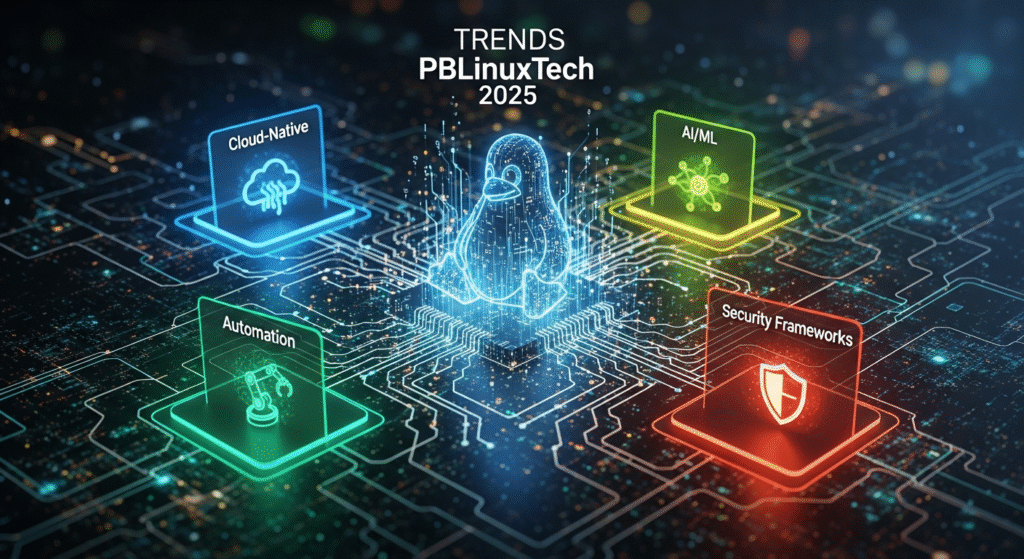
The Rise of Lightweight and Specialized Linux Distributions
Linux distributions are becoming increasingly specialized. In the past, Ubuntu and Fedora dominated the scene, but today lightweight distributions such as Alpine Linux, Puppy Linux, and Tiny Core Linux are gaining popularity. These distros consume fewer system resources, making them ideal for older hardware, IoT devices, and edge computing.
For example, schools and NGOs in emerging markets often repurpose older computers using lightweight Linux distributions. This not only saves money but also contributes to environmental sustainability. Specialized distros like Kali Linux focus on security testing, while Ubuntu Studio supports creative professionals with multimedia and design tools.
The diversity of distributions reflects one of the central aspects of Trends PBLinuxTech: adaptability. Linux now serves a wider audience, from hobbyists to enterprise users, emphasizing performance, efficiency, and user experience.
Containerization and Cloud-Native Architecture
A core component of Trends PBLinuxTech is the adoption of containerization and microservices architecture. Tools such as Docker, Podman, and Kubernetes have transformed how applications are developed, deployed, and maintained. Containers allow developers to package applications and dependencies in isolated environments, ensuring consistency across development, testing, and production stages.
Companies like Netflix and Spotify use containerized architectures to achieve scalable, reliable, and resilient services. Kubernetes orchestrates these containers, enabling efficient resource allocation and automatic scaling. This approach aligns with cloud-native practices, where applications are designed specifically for the cloud, ensuring higher availability and fault tolerance. The trend underscores Linux’s continued dominance in enterprise environments and cloud computing ecosystems.
Edge Computing and Hybrid Cloud Solutions
Edge computing is gaining momentum as organizations look to process data closer to its source. Trends PBLinuxTech highlights the importance of lightweight Linux distributions in edge devices, where efficiency and low resource usage are critical.
For instance, IoT devices in smart cities or industrial automation require real-time processing. Lightweight Linux distros combined with containerized applications allow for robust, low-latency operations without relying solely on centralized cloud servers.
Hybrid cloud setups further enable organizations to distribute workloads between on-premises infrastructure and cloud platforms, optimizing costs and performance. This trend demonstrates Linux’s flexibility in adapting to both high-end data centers and resource-constrained environments.
AI and Machine Learning Integration
AI and machine learning workloads have traditionally depended on Linux due to superior hardware compatibility, driver support, and open-source frameworks. Trends PBLinuxTech emphasizes AI integration as a significant growth area.
Developers leverage frameworks such as TensorFlow, PyTorch, and Jupyter notebooks on Linux systems to build predictive models, automate processes, and analyze large datasets. For example, a fintech startup might use Linux servers to train fraud detection algorithms efficiently, while a research lab leverages Linux for AI-powered climate modeling. The open-source ecosystem ensures that tools remain flexible, cost-effective, and transparent, giving Linux a competitive edge over proprietary platforms in AI development.
Automation and DevOps Practices
Automation is another crucial trend under Trends PBLinuxTech. Tools like Ansible, Terraform, and Puppet enable organizations to manage infrastructure as code (IaC), automate repetitive tasks, and reduce human error.
For example, DevOps teams can automatically deploy updates, configure servers, and manage security policies across hundreds of machines. This approach is particularly valuable in large-scale cloud environments, where manual configuration would be error-prone and time-consuming. By embracing automation, Linux administrators can focus on higher-value tasks, improving productivity and system reliability while adhering to best practices in modern IT management.
Security, Zero-Trust Models, and Privacy
Security has become an integral part of Trends PBLinuxTech. Linux continues to offer robust security frameworks such as SELinux, AppArmor, and auditd. Additionally, zero-trust architectures are gaining traction, requiring authentication and authorization for every device, user, and application interaction.
For businesses and organizations handling sensitive data, adopting Linux-based security practices ensures resilience against cyber threats. Open-source tools like OpenVAS, Wireshark, and Fail2Ban allow proactive vulnerability management, monitoring, and threat detection.
By combining secure distros, regular patching, and AI-assisted monitoring, Linux environments become a cornerstone for building trustworthy and private digital infrastructures.
Usability and Linux for Everyday Users
While Linux was historically server-focused, Trends PBLinuxTech emphasizes usability for everyday tasks, including gaming, content creation, and personal computing. Modern desktop environments such as GNOME, KDE Plasma, and Cinnamon provide intuitive interfaces comparable to Windows or macOS.
Gaming on Linux has improved significantly with Proton and Steam Deck support, enabling users to enjoy AAA titles without switching operating systems. Content creators benefit from Linux-based creative tools like Blender, Kdenlive, and GIMP. These developments broaden Linux adoption beyond technical audiences, encouraging a new generation of users to explore open-source solutions while reducing reliance on costly proprietary software.
Sustainability and Cost Efficiency
One of the understated aspects of Trends PBLinuxTech is sustainability. Lightweight Linux distributions extend the life of older hardware, reduce electronic waste, and lower energy consumption.
Organizations and educational institutions can repurpose aging computers for training, research, or community programs. This aligns with global efforts to reduce environmental impact while democratizing access to technology. The cost savings achieved through Linux adoption also allow startups and small businesses to allocate resources toward innovation rather than software licenses, fostering growth in technology-driven sectors.
Community-Driven Open Source and Collaboration
Linux thrives on community contributions, a principle central to Trends PBLinuxTech. Developers, testers, and enthusiasts globally collaborate to improve distributions, create tutorials, and provide support.
For example, the Ubuntu community regularly updates repositories, fixes bugs, and provides documentation. Open-source contributions extend beyond coding to include localization, accessibility improvements, and educational resources. Engaging with these communities allows users to learn from experts, troubleshoot issues, and even influence future development. This collaborative ecosystem strengthens the authority, trustworthiness, and innovation potential of Linux-based solutions.
Real-World Applications Across Industries
| Industry | Linux Application | Example |
| Education | Lightweight distros for labs and remote learning | Schools in emerging markets using Ubuntu or Puppy Linux on old PCs |
| Healthcare | Data analysis and AI workloads | Hospitals using Linux servers to process medical imaging efficiently |
| Finance | Secure transaction servers | Banks running Linux servers with strict access controls and audit logs |
| Industrial IoT | Edge computing and automation | Factories deploying Linux-based controllers for real-time monitoring |
| Gaming & Media | Content creation and gaming | Developers using Blender, Kdenlive, and Proton for creative workflows |
This table illustrates the versatility and adoption of Linux across sectors, emphasizing the practical relevance of Trends PBLinuxTech.
The Future of Trends PBLinuxTech
Looking ahead, Linux will continue to evolve in alignment with technological advancements. Key areas likely to gain momentum include AI-driven system administration, zero-trust security models, cloud-native solutions, and edge computing applications. The integration of user-friendly interfaces, sustainability practices, and community engagement ensures that Linux remains accessible, reliable, and innovative.
Individuals and organizations that align with Trends PBLinuxTech will be well-positioned to leverage open-source tools, optimize costs, and maintain competitive advantage in an increasingly digital world. The trajectory suggests that Linux will not just remain a server staple but will dominate AI, cloud, and consumer computing as well.
FAQs
It refers to the evolving developments in Linux and open-source technology highlighted by the PBLinuxTech platform, covering AI, cloud computing, security, and lightweight distributions.
Beginners can explore lightweight Linux distributions, learn containerization, engage with community tutorials, and use Linux tools for personal projects, AI, or automation.
Yes. Modern Linux distributions support gaming with Proton/Steam, and creative software like Blender, GIMP, and Kdenlive make it ideal for media production.
Linux allows older hardware to remain functional, reducing electronic waste, lowering energy consumption, and minimizing software licensing costs.
Education, healthcare, finance, industrial IoT, and gaming/media are among the sectors leveraging Linux for efficiency, security, and innovation.
Conclusion
Trends PBLinuxTech represents more than a set of technological directions; it embodies the spirit of open-source innovation, collaboration, and adaptability. From AI integration and containerization to sustainability and security, Linux has proven itself as a versatile and forward-thinking platform.
By understanding these trends, users can harness the full potential of Linux, stay ahead in their fields, and contribute to a community-driven ecosystem. Engaging with these trends ensures that Linux continues to shape the future of technology, making it accessible, efficient, and secure for everyone.