Introduction
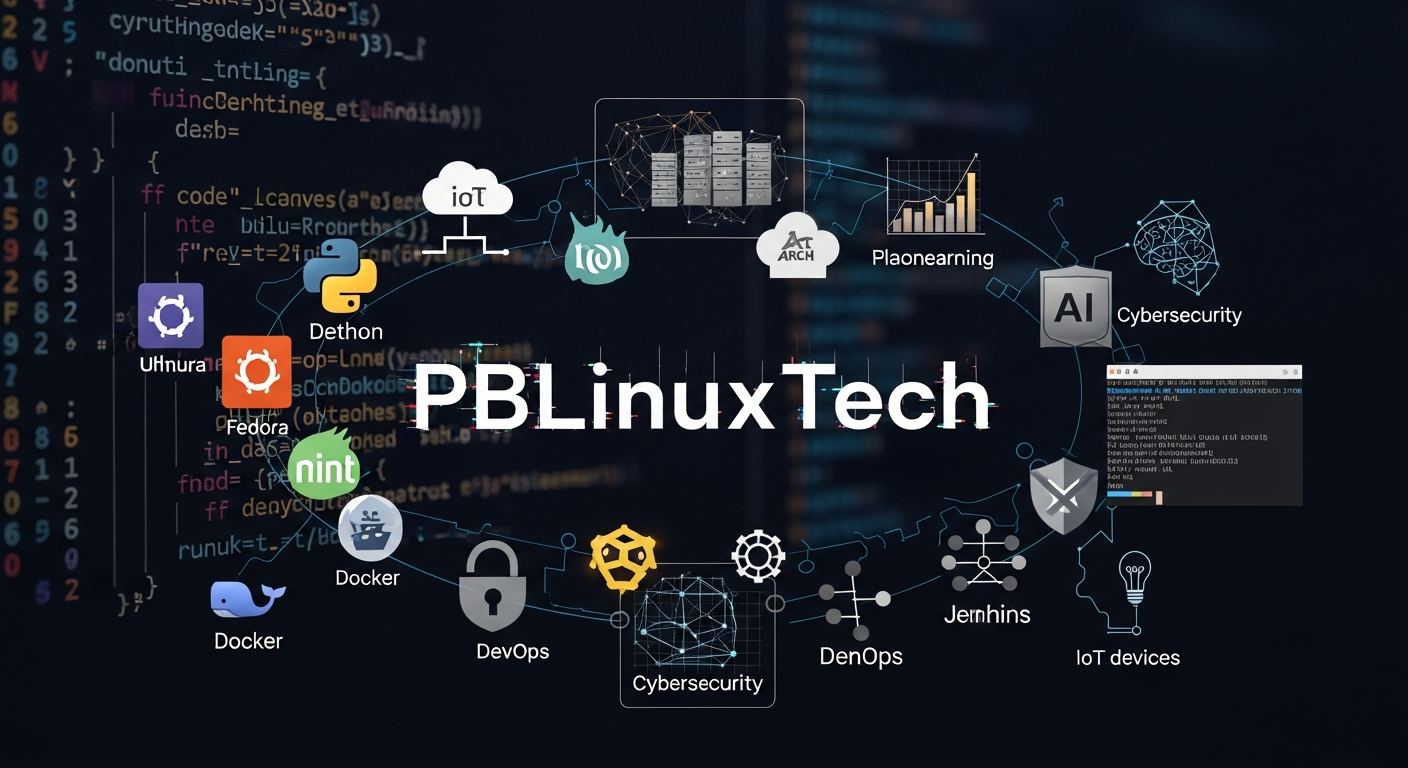
The technology landscape changes faster than most of us can track. One of the most exciting movements today is Trends PBLinuxTech, a phenomenon that combines open-source innovation, cloud-ready workflows, and modular, lightweight Linux systems. Whether you are a developer, an IT professional, a student, or a tech enthusiast, understanding these trends is crucial for staying ahead in a competitive digital world.
PBLinuxTech focuses on how Linux evolves to meet modern computing needs. From AI integration and containerization to sustainability and usability, these trends reveal how open-source software is shaping the future. This article explores the latest insights, real-world applications, and practical steps for anyone interested in embracing these innovations.
What Is PBLinuxTech
PBLinuxTech is more than just a Linux community or blog. It represents a set of trends and practices in the Linux ecosystem that highlight efficiency, security, and adaptability. It tracks developments in lightweight Linux distributions, cloud computing, edge computing, AI integration, and automation.
Unlike generic tech blogs, PBLinuxTech emphasizes practical applications. It provides guides, tutorials, and insights that help developers, sysadmins, and hobbyists implement Linux-based solutions effectively. It’s a hub for those who want to leverage open-source software to build fast, reliable, and cost-effective systems.
| Feature | Description |
| Open-Source Community | Encourages collaboration, contributions, and learning. |
| Lightweight Systems | Optimized for older hardware, IoT, or edge devices. |
| Cloud & Automation Focus | Supports DevOps workflows, containerization, and cloud-native solutions. |
| Practical Learning | Guides and tutorials for beginners and advanced users alike. |
Why Linux Matters in 2025
Linux has always been the backbone of servers, supercomputers, and embedded devices. Trends PBLinuxTech highlights why Linux is more relevant than ever:
- Open-Source Freedom: Anyone can use, modify, and share Linux. This creates opportunities for innovation at low cost.
- Modular and Lightweight: Modern Linux distributions can run on minimal hardware or IoT devices, reducing costs and energy use.
- Community Driven: Contributions from global developers ensure rapid updates, strong security, and continuous improvement.
- Versatile Applications: Linux is used in cloud computing, AI, edge devices, embedded systems, and desktop environments.
Linux isn’t just a system for experts anymore — PBLinuxTech trends are making it accessible to anyone willing to learn.
Containerization and Cloud-Native Workflows
One of the biggest trends in PBLinuxTech is the adoption of containerization and cloud-native technologies. Tools like Docker and Kubernetes allow developers to package applications in lightweight containers, making them portable and scalable across different environments.
| Technology | Purpose |
| Docker | Containers for consistent deployment across systems. |
| Kubernetes | Orchestration of containerized applications at scale. |
| Linux Distros | Optimized for containers and cloud-native workflows. |
This approach is crucial for DevOps and modern software development. Linux distributions optimized for containerization allow businesses to deploy applications faster while keeping infrastructure costs low.
Edge Computing and IoT Adoption
Trends PBLinuxTech also emphasize edge computing and IoT integration. Lightweight Linux distributions are ideal for devices with limited hardware, such as sensors, home automation devices, and embedded systems.
Edge computing reduces latency and bandwidth usage by processing data closer to the source. Linux’s modularity allows developers to create custom solutions for specific IoT needs. This trend opens opportunities for smart cities, industrial automation, and real-time data processing.
Security, Privacy, and Zero-Trust Linux
Security is at the forefront of PBLinuxTech trends. Modern Linux distributions implement strong security protocols, minimal attack surfaces, and hardened kernels. Features such as mandatory access controls, sandboxing, and real-time monitoring protect against cyber threats.
Zero-trust models and automation in Linux help maintain secure environments, especially in cloud and edge systems. Developers can automate patches, monitor vulnerabilities, and enforce security policies consistently across networks.
| Security Feature | Benefit |
| Hardened Kernel | Reduces vulnerability to attacks. |
| Mandatory Access Control | Limits unauthorized access to sensitive processes. |
| Automation Tools | Automatically apply security patches and updates. |
AI and Machine Learning Integration
AI and machine learning are no longer limited to large companies. Trends PBLinuxTech showcase Linux systems integrated with AI for predictive maintenance, performance tuning, resource optimization, and anomaly detection.
Linux-based AI tools allow developers to run machine learning workloads efficiently without expensive hardware. This integration is transforming how developers approach software deployment, system monitoring, and intelligent automation.
Lightweight Distros and Sustainability
PBLinuxTech highlights the importance of lightweight Linux distributions. These distros revive older hardware, reduce energy consumption, and make computing more sustainable. Lightweight systems like Alpine Linux, Puppy Linux, or Tiny Core Linux allow users to run modern applications on minimal resources.
This trend also encourages global digital inclusion. People with limited budgets can access reliable, open-source software without needing high-end machines. Sustainability and affordability go hand in hand in PBLinuxTech.
Improving User Experience
One key focus of PBLinuxTech is usability. Linux has traditionally been seen as complex for beginners, but modern distributions now offer graphical installers, user-friendly interfaces, and extensive documentation.
By improving accessibility, PBLinuxTech ensures Linux adoption is not restricted to developers and IT experts. Students, hobbyists, and general users can learn, experiment, and implement Linux solutions easily.
Real-World Applications
The impact of Trends PBLinuxTech extends beyond labs and servers. Businesses, startups, educational institutions, and emerging tech communities benefit from lightweight Linux, cloud-native systems, and automation tools.
low-cost Linux solutions allow schools and universities to teach coding and system administration without expensive licenses. Small businesses can deploy servers, manage infrastructure, and secure their networks affordable.
Getting Started with PBLinuxTech
If you want to embrace PBLinuxTech trends, here are practical steps:
- Choose a Linux distribution based on your needs (lightweight for IoT, full-featured for desktop).
- Learn containerization with Docker or Kubernetes.
- Explore automation tools like Ansible or Terraform.
- Experiment with AI and ML on Linux using Python frameworks.
- Join online communities and forums to stay updated.
These steps will help beginners and professionals alike take advantage of Linux innovations.
Challenges to Watch
Despite its advantages, PBLinuxTech faces challenges:
- Some Linux distributions still require technical knowledge.
- Hardware compatibility can be an issue for certain devices.
- Enterprise adoption may lag due to legacy systems.
- Security requires continuous monitoring and maintenance.
Being aware of these challenges ensures users can plan and implement Linux solutions effectively.
FAQs
Q1: What is PBLinuxTech?
PBLinuxTech tracks Linux-based trends in open-source, cloud-native, lightweight, and AI-integrated systems.
Q2: Why are these trends important?
They help developers, businesses, and students optimize resources, improve performance, and adopt sustainable computing.
Q3: Can beginners use PBLinuxTech tools?
Yes. Modern distributions are user-friendly, and tutorials make Linux accessible for beginners.
Q4: How does Linux support AI and machine learning?
Linux provides frameworks, libraries, and optimized environments for running ML and AI workloads efficiently.
Q5: Are lightweight Linux distributions useful for old hardware?
Absolutely. Lightweight distros revive older machines and reduce energy consumption.
Q6: How can I stay updated with PBLinuxTech trends?
Follow Linux communities, tech blogs, forums, and official distribution channels for latest insights.
Conclusion
Trends PBLinuxTech show that Linux is more relevant than ever. By combining open-source freedom, lightweight design, cloud-native workflows, security, AI integration, and sustainability, Linux is shaping the future of computing.
Whether you are a developer, student, IT professional, or hobbyist, embracing these trends allows you to innovate, optimize, and participate in a global technology movement. PBLinuxTech isn’t just about Linux it’s about building smarter, faster, and more accessible systems for everyone.
Staying updated with these trends ensures you are prepared for modern challenges and ready to explore the possibilities of open-source technology.